

The Stranger Things Effect: How Kate Bush, Fleetwood Mac, and Metallica Returned to the Charts
 Write a comment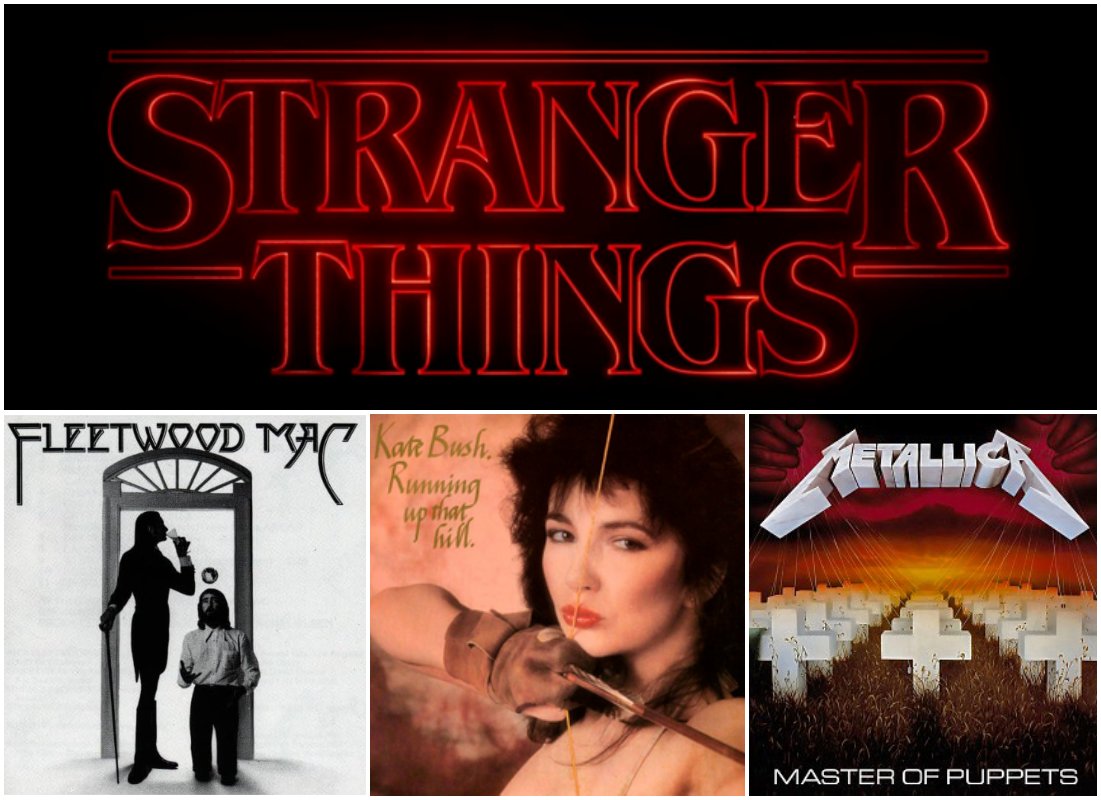
Fleetwood Mac has been one of the most recent examples. Their 1975 song “Landslide” surged following the Season 5 finale at the end of 2025, entering the Billboard Hot 100 at number 41—its first appearance on the chart in over 50 years. The surge occurred in the past couple of weeks, with about 7 million US streams between January 2 and January 8, 2026, along with significant radio play and downloads. Earlier boosts included the 2011 Glee episode, which caused the album Rumours to re-enter the Billboard 200 at number 11, and the viral 2020 TikTok moment for “Dreams”, which generated hundreds of millions of streams worldwide.
Kate Bush experienced one of the most dramatic revivals in recent years. Her 1985 song “Running Up That Hill” originally returned to the UK number one spot and reached number three on the US Billboard Hot 100 after its inclusion in Stranger Things Season 4 in 2022. By 2025, the track had surpassed 1.5 billion Spotify streams, introducing her music to a new generation. The song has also seen a recent surge following appearances in Season 5, climbing back onto the UK Official Singles Chart and re-entering the Billboard Global 200, reflecting renewed streaming and sales activity around the series finale in late 2025 and early 2026.
Metallica also saw a notable chart return. Their 1986 song “Master of Puppets” entered the Billboard Hot 100 for the first time ever in July 2022, reaching around number 40 after its use in Stranger Things Season 4. This was the track’s first appearance on the Hot 100 in more than 35 years. Following the episode’s release, Master of Puppets climbed streaming charts, reaching number 26 on the Global Spotify chart with around 1.86 million plays, demonstrating renewed global interest in the classic heavy metal anthem.
Other songs have followed the same path. UK charts recorded fresh entries for Tiffany’s “I Think We’re Alone Now” and The Police’s “Every Breath You Take” after the finale aired, alongside additional re-entries for Kate Bush.
Music supervisors say the effect is driven by narrative context rather than simple nostalgia. Tracks are chosen to mirror a character’s emotional turning point, encouraging viewers to seek out the full song after the episode ends. Streaming platforms amplify interest through playlists and recommendation systems, turning brief on-screen moments into sustained listening.
Chart rules now count streams and digital engagement equally for new releases and catalog recordings, allowing older songs to compete alongside contemporary hits. Labels have responded by preparing catalog tracks for potential revivals, increasing the value of licensing and long-term rights.
The Stranger Things effect shows how television can serve as a global music amplifier. From art-pop to heavy metal to soft rock, a single scene can introduce legacy artists like Kate Bush, Fleetwood Mac, and Metallica to millions of new listeners and rewrite the charts decades after the original release.


Log in with
or post as a guest
Be the first to comment.