·
7 months ago
As a legacy act, The Beatles are still selling well 64- year on!!


 2 Comments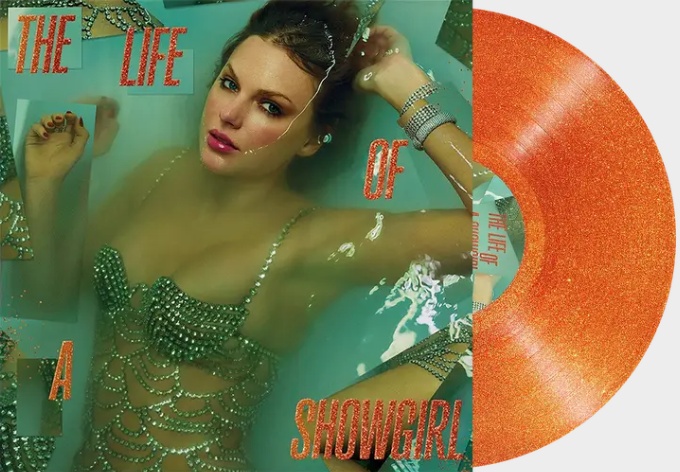
Vinyl and CD sales are surging in 2026, fueled by a combination of superstar influence and a new generation of superfans. Taylor Swift continues to dominate physical music, with her 2025 album The Life of a Showgirl selling millions of vinyl and CD copies worldwide.
At the same time, Gen Z listeners are embracing tangible formats for their aesthetic appeal, collectible value, and the sense of ownership they provide in a streaming-first world. Together, Swift and younger fans are driving a revival that is reshaping the music industry and proving that physical albums still hold significant cultural and commercial power.
In the UK, vinyl album sales grew 10.5% in 2024 to £196 million, with 6.7 million discs sold. This marked the 17th consecutive year of growth for the format, following more than 5.9 million units sold in 2023. More importantly, 2024 saw the first year-on-year increase in overall physical music sales, including vinyl and CDs, in two decades. After years of decline, physical music is no longer just stabilising — it is growing again.
The global picture shows the same trend. Worldwide, vinyl sales expanded 6% in 2024, reaching 112 million LPs and generating $3.44 billion in retail value. In the United States, 43.6 million vinyl records were sold, marking the 18th consecutive year of growth. Forecasts suggest the market could rise another 8 to 9% in 2026. Japan recorded a 14% increase in volume and a 24% rise in value in 2024, while Brazil posted a 136% revenue increase in 2023.
The Taylor Swift Effect
A major driver of the surge is the way top artists treat physical formats as premium fan products rather than standard distribution tools.
Taylor Swift remains the clearest example of how artists drive physical sales. She accounted for one in every 15 vinyl records sold in the USA in 2023, and her 2025 album The Life of a Showgirl sold millions of vinyl copies worldwide. Multiple colour variants, limited editions, and exclusive releases turned the album into a collectible event for superfans.
Swift has been the world’s top-selling vinyl artist for four consecutive years (2022–2025), topping the Global Vinyl Album Chart with Midnights, 1989 (Taylor’s Version), The Tortured Poets Department, and The Life of a Showgirl. Her consistent success demonstrates that vinyl can be a major driver of both revenue and fan engagement.
Other artists are also performing strongly. Billie Eilish and Lady Gaga have maintained high physical sales, while UK rapper Dave demonstrates that vinyl success is now extending beyond pop and rock into hip-hop.
Physical formats have become a key part of release strategies. Limited pressings create urgency, signed copies and deluxe boxsets encourage repeat purchases, and direct-to-consumer sales boost margins. In a streaming-dominated world, vinyl and CDs offer artists higher-value transactions with their most engaged fans.
The Quiet Resilience of CDs
While vinyl dominates headlines, CDs are quietly stabilising. In the first half of 2024, US CD sales rose 3.3% to 17 million units. In the UK, CD revenue grew 2% in 2023 and remained steady into 2024. Distributor data from late 2025 points to roughly 5% year-on-year growth in CD revenue, even though early 2025 figures showed a 12.8% drop in UK sales. This indicates the format is not booming but has slowed its decline and found a sustainable niche.
K-pop continues to drive CD sales worldwide. Groups such as Stray Kids and SEVENTEEN sell huge volumes through elaborate packaging, collectible photo cards, and multiple editions. Fans often buy several copies of the same album, turning CDs into merchandise as much as music.
Japan remains the largest physical music market, producing around 132 million units annually. Its strong retail culture and collector mindset continue to underpin global CD demand.
Gen Z and the Superfan Economy
Perhaps the most surprising driver of the revival is younger listeners. Recent data suggests that 60% to 76% of Gen Z (aged 18–24) report buying vinyl records. According to the Futuresource Consulting Audio Tech Lifestyles report (2025), roughly 60% of Gen Z say they buy vinyl. A separate study by the Vinyl Alliance, surveying over 2,500 people, found that 76% of Gen Z vinyl fans purchase records at least once a month.
Physical media provides ownership in an era of access and a tactile experience in a digital world. Records double as decor, and CDs become collectible artifacts tied to identity and fandom. Around 62% of Gen Z buy vinyl to support their favourite artists, while 61% use it to improve their mental well-being and take a break from digital life. Many are motivated by aesthetics (56%) or treat records as home decor (37%), and 84% of vinyl buyers prefer shopping in physical stores for the community experience (CNN, 2025).
This has fueled what the industry calls the superfan economy. Rather than relying solely on millions of passive streams, artists can generate significant revenue from smaller groups of highly engaged fans willing to pay for premium physical formats.
It seems that younger fans, raised on streaming music, are not all focused on digital formats as you might expect. In fact, their curiosity has had the opposite effect, leading them to explore retro formats like CDs and vinyl.
Infrastructure Catching Up
Rapid growth has occasionally outpaced manufacturing, causing delays in vinyl production. Investments in new facilities across the US, Canada, and Mexico have expanded capacity. More than 200 pressing plants now operate worldwide, easing bottlenecks and supporting continued growth.
Hardware demand also reflects the resurgence. Specialist retailers report a 55% increase in available CD players priced under $1,000, and turntables are increasingly found in lifestyle and design spaces, embedding vinyl into youth culture.
A Structural Shift, Not a Fad
What began as a niche revival has become a significant part of the modern music business. Vinyl has posted nearly two decades of uninterrupted growth. CDs have slowed their decline and, in some markets, returned to modest growth.
Streaming still dominates listening habits, but physical formats now occupy a different position. They are no longer the default; they are the premium.
As long as major artists continue to treat albums as collectible experiences and younger fans value tangible connection, vinyl and CDs are unlikely to fade. Instead, they are carving out a sustainable role in an industry that once assumed their time had passed.