

"Four Chefs Instead of Two": How Metallica Changed the Recipe for 72 Seasons
 Write a comment
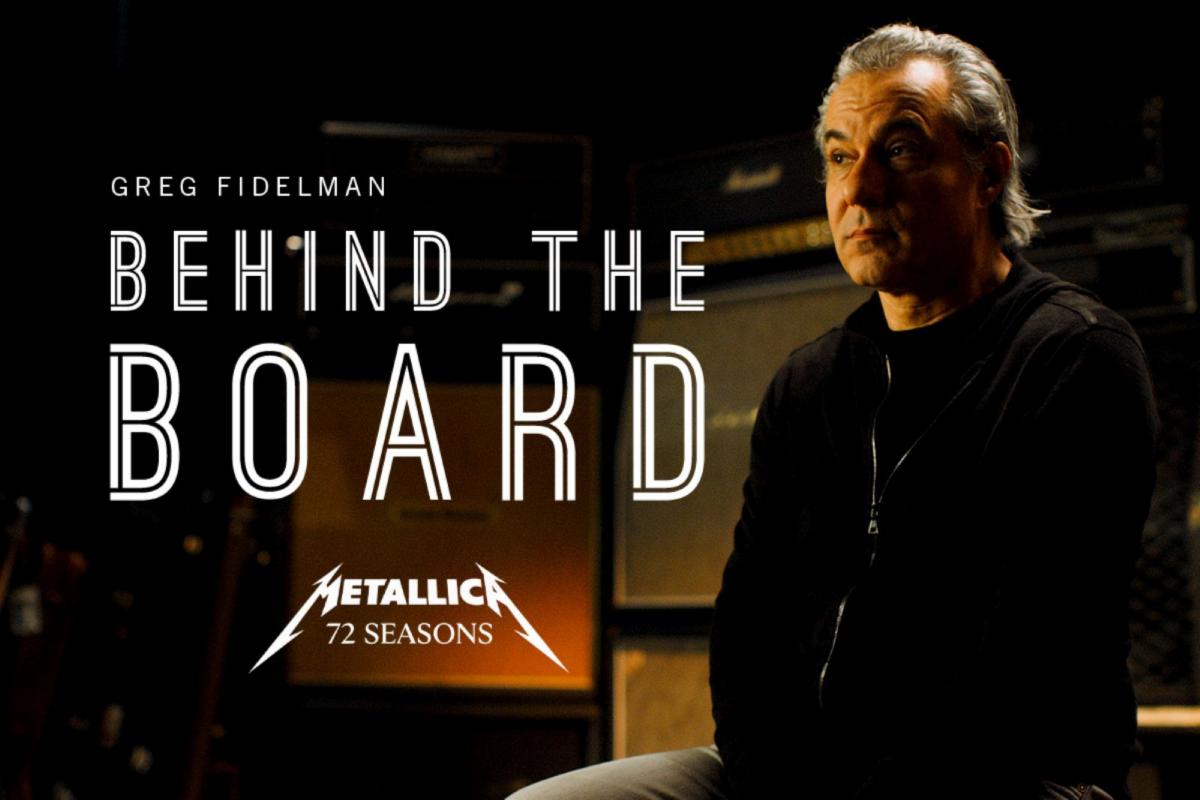
Hundreds of musical ideas, remote recording sessions, Zoom calls and a producer thousands of miles away controlling a Pro Tools setup in a drummer's home. The making of Metallica's 72 Seasons was hardly business as usual.
When the band began working on their 11th studio album, the world was in lockdown. Getting four musicians into the same room was impossible, so producer Greg Fidelman had to find another way to keep the creative process moving. What followed was an unusual recording journey that began with remote collaborations and eventually brought the band back together at Metallica HQ.
Now, in a new episode of Gibson TV's Behind the Board, Fidelman takes fans inside that process, revealing how one of Metallica's most ambitious recent records came together, from the initial mountain of musical ideas to the sounds and performances that made the final album.
The numbers alone give you an idea of the task ahead. Working remotely with Lars Ulrich, Fidelman began sorting through more than 300 musical ideas, categorising them by feel and style and grading the ones that stood out. Then Kirk Hammett sent over another collection of around 700 ideas.
As Fidelman recalls, Hammett was honest enough to admit he needed a hand getting through them. Even Ulrich suggested that Fidelman should narrow the collection down before they attempted to tackle it together. Eventually, they were working through batches of 10 or 12 promising ideas at a time.
It was hardly a conventional way to write a Metallica record, but the circumstances demanded it.
With Ulrich based at home, Fidelman controlled the drummer's Pro Tools setup remotely from Los Angeles. Through Zoom, he could monitor the recording process, communicate with Ulrich and work through different drum patterns against the growing collection of ideas. Hetfield joined from Colorado, while Hammett and Robert Trujillo contributed their parts remotely as the songs began to take shape.
"We were busy trying to figure out how to work Zoom," Fidelman recalls. "And then next thing you knew, we knew how to play 10 songs."
The technology might have been unfamiliar, but the underlying process was still very much Metallica. Ideas were shared, tested, pulled apart and rebuilt until something clicked. The difference was that the band had to find a way of doing it without the energy of being together in the same room.
That would eventually change. As the restrictions eased, the musicians were able to return to Metallica HQ, where the remotely developed ideas could become fully realised performances. For Fidelman, this was where something particularly special happened.
He describes the moment when all four members play together as creating a "fifth thing". It's more than the sum of the individual performances, an intangible quality that emerges from the chemistry between Hetfield, Ulrich, Hammett and Trujillo.
It's an interesting insight into what makes Metallica work. Each member brings something different to the table, whether it's Hetfield's unmistakable rhythm guitar playing, Hammett's instinctive approach to improvisation, Ulrich's feel for arrangement or Trujillo's contributions on bass. But it's when those individual personalities come together that the music really takes on a life of its own.
There's another way to understand the creative shift behind 72 Seasons, and it comes from Hetfield himself. Describing the band's approach to the album, he likened the process to having "four chefs instead of two". It was a reference to Metallica moving beyond the traditional songwriting partnership between himself and Ulrich, with Hammett and Trujillo having a greater opportunity to bring their own ideas into the mix.
That doesn't mean the band's established dynamic was suddenly abandoned. Instead, it was about opening up the process, allowing more contributions and seeing where those ideas could take the music. As the new episode demonstrates, getting all those ingredients to work together still required plenty of patience, experimentation and the right person behind the desk.
For Fidelman, the challenge was helping four distinct musical personalities find common ground while retaining the chemistry that makes Metallica sound like Metallica. From hundreds of initial ideas to the moment all four musicians played together in the studio, 72 Seasons was a reminder that sometimes the best results come from letting everyone have a say in the recipe.
The new episode also explores the relationship that has developed between Fidelman and the band over the years. Having first worked with Metallica during the Death Magnetic sessions, he has since become a trusted creative partner, returning for Hardwired... To Self-Destruct before producing 72 Seasons alongside the band.
That trust is particularly evident in Ulrich's description of their working relationship. The drummer explains that he didn't even need to have a conversation with Fidelman about how the drums should sound on 72 Seasons. He trusted the producer to get the sound right, leaving him free to concentrate on playing.
It's a revealing detail. A producer's job isn't always about making suggestions or constantly changing things. Sometimes it's about understanding what a musician needs, earning their confidence and allowing them to focus on their performance.
And Fidelman's attention to detail extends well beyond the drum kit. Throughout the episode, he breaks down the sounds that make up 72 Seasons, including Hetfield's MESA/Boogie guitar tone, Hammett's approach to recording solos, Trujillo's bass sound and the microphones and recording techniques used to capture Ulrich's drums.
He also explores why the feel of a performance can matter more than technical perfection. It's a reminder that even with the latest recording technology and the ability to edit almost anything, the character of a great performance is something that can't always be manufactured.
Tracks including the Grammy-winning title song, "Lux Æterna", "Shadows Follow", "Chasing Light", "If Darkness Had a Son", "You Must Burn!" and "Inamorata" are examined through isolated guitar, bass, drum and vocal tracks, allowing listeners to hear individual parts in a completely different context.
For fans, it's a chance to revisit an album they may already know inside out. For musicians and recording enthusiasts, there's plenty to discover about the decisions that went into capturing Metallica's sound.
The journey from hundreds of musical ideas and remote Zoom sessions to four musicians playing together at Metallica HQ might not have been the recipe anyone originally planned. But as Fidelman's new Gibson TV episode demonstrates, sometimes the most interesting results come from making the best of an unexpected situation.
Watch the new episode of Gibson TV's Behind the Board for a closer look at how Metallica brought 72 Seasons to life.


Log in with
or post as a guest
Be the first to comment.